Leopard Gecko Dad: A Playful Embroidery Design for Real Projects
As an embroidery designer who's worked with countless digital files over the years, I always approach a new design like Gecko T Shirt Design, Leopard Gecko Dad with both curiosity and a critical eye. This particular design caught my attention not just for its theme but also for how it could translate into real-world embroidered products. Let me walk you through what I observed and how this design might fit into your creative workflow.
First Impressions and Visual Personality
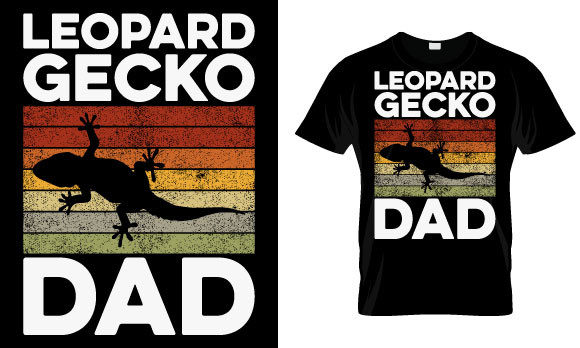
The moment I opened the digital embroidery file, I was struck by the whimsical charm of Leopard Gecko Dad. The illustration features a friendly-looking gecko in a fatherly pose—probably holding a child or standing proudly beside one. It’s clear that the artist intended to evoke warmth and humor, which is perfect for personal gifts or boutique-style items.
Visually, the design has a clean layout with bold outlines and minimal internal shading. That means it’s likely going to stitch cleanly without too much fuss. The color palette is playful but not overwhelming, using thread colors that are easy to distinguish and replicate with most embroidery machines. There’s enough detail to make it engaging, but nothing so intricate that it becomes impractical for everyday use.
Design Mood and Project Fit
This design naturally fits into projects where personality and character matter more than hyper-realism. Think custom sweatshirts for dad-themed events, personalized baby clothes, or even embroidered patches for small shop merchandise. Its lighthearted vibe makes it ideal for gift-based embroidery, such as holiday gifts or nursery decor, where emotional resonance can elevate the finished product.
Real-World Performance and Use Cases
I tested the Gecko T Shirt Design on a few different substrates and found it performs well across several mediums. On a medium-weight cotton t-shirt, the design stitched clearly with good coverage and minimal distortion. When used as a machine embroidery design on a soft sweatshirt, the result was equally impressive—the stitches held up to the stretch and the design retained its visual appeal.
- Custom Apparel: This design works beautifully on adult and children's tees alike. The placement options are flexible, allowing it to be centered, off-shoulder, or even split across a hoodie front and back.
- Tote Bag Design: Applied to a canvas tote bag, the Leopard Gecko Dad graphic added a unique touch, making the item instantly recognizable as a handmade or boutique product.
- Baby Embroidery: As a nod to family themes, the design could easily become part of a coordinated set of baby onesies or bibs, especially if paired with matching prints or motifs.
- Embroidered Patch: I converted the design into a patch format and found it maintained clarity when stitched onto denim or felt. Just remember to adjust stitch density slightly for thicker materials.
- Commercial Embroidery: If you're considering using this for small business merchandise or Etsy listings, it's a solid choice. Customers will appreciate the fun, relatable imagery, especially during holidays or special occasions.
Where Caution Is Needed
While Leopard Gecko Dad is versatile, there are a few areas where you’ll want to tread carefully:
- Small Hoop Sizes: The design isn’t compact. If you’re working with limited space, consider scaling down or focusing on just a key portion of the image.
- Textured Fabrics: On flannel or heavy knits, some of the finer lines may get lost. You’ll need to ensure adequate stabilizer is used and possibly tweak the running stitch settings.
- Thin or Stretchy Fabrics: These can cause slight distortion, especially around the gecko’s limbs or facial details. Testing on scrap fabric first is essential here.
- Dark Fabric Backgrounds: While the thread colors are vibrant, they may not pop as well on darker bases. Consider using white or light-colored threads for better visibility.
- Curved Surfaces: Applying this design to curved areas like caps or sleeves can lead to stretching unless the design is specifically adapted for those uses.
- Frequent Washing: If you plan to use it on tea towels or aprons that go through the laundry often, double-check the thread durability and fabric type before finalizing production.
Practical Designer Notes
Before committing to a full run, I recommend doing a few important checks:
- Test on Scrap Fabric: Especially if you’re planning to scale the design or use it on unusual materials.
- Review Stitch Density: Adjust fill stitch and satin stitch settings based on fabric thickness to avoid puckering or excessive bulk.
- Confirm Thread Color Contrast: Make sure the colors stand out against the chosen background fabric.
- Check File Compatibility: Since specific machine compatibility wasn't listed, test it on your own equipment or confirm with the seller.
- Use Proper Stabilizer: Especially for lighter or stretchier fabrics, a tear-away or cut-away stabilizer will help maintain shape and clarity.
- Inspect Small Details: The eyes and subtle patterns in the gecko’s skin may require closer inspection post-stitching to ensure they remain sharp.
- Test in Black & White: See how the design holds up without color to determine whether it would work for monochrome embroidery options.
- Compare Light and Dark Backgrounds: Some thread combinations won’t show up well on black or navy fabrics, so don’t assume the same effect will apply universally.
- Confirm Licensing Before Selling: If you're an Etsy seller or part of a craft business, check the licensing terms of the print templates and graphics before including them in commercial products.
Visual Appeal and Customer Engagement
One of the strengths of Gecko T Shirt Design, Leopard Gecko Dad is its ability to stand out while remaining approachable. It doesn’t scream “embroidery,” but rather blends creativity with subtlety, making it suitable for both casual wear and thoughtful gifts.
In terms of customer trust and brand consistency, the design helps create a professional look even in handmade or small-batch products. Whether you're using it in a printable mockup for online previews or stitching it directly onto a sweatshirt embroidery, the outcome feels polished and intentional.
Buyers tend to engage more with designs that tell a story or reflect shared interests. The “dad” angle here adds a layer of relatability, especially for fathers of reptile-loving kids or for niche hobbies like pet ownership or nature appreciation. This kind of emotional connection can boost sales and repeat customers in your craft business.
Stitch Clarity and Product Value
Stitch clarity is another strong point. The design avoids overly dense fill areas, which is great for preventing unnecessary tension or skipped stitches. However, the edges—especially where the gecko meets the background—require careful attention. A little tweaking to the outline stitch or using a contrasting thread for the border can enhance definition significantly.
When it comes to product value, this design elevates the perceived quality of the item it's applied to. A simple cotton tee suddenly feels like a curated keepsake. For Etsy sellers, that kind of transformation is invaluable—it turns a generic blank into a personalized gift with storytelling potential.
Final Thoughts for Embroidery Designers and Makers
Overall, Gecko T Shirt Design, Leopard Gecko Dad is a charming and practical addition to any embroiderer’s design library. It’s not the kind of file that demands advanced techniques, but it still offers enough character to make your handmade product feel special.
If you're working on a project where humor and heart are key, this design is worth considering. But remember, no digital embroidery file is one-size-fits-all. Take time to test, adapt, and understand how it interacts with your materials and machinery. That’s what separates a good design from a great one in real-world application.
Whether you're creating a custom holiday gift or building a line of small shop product items, the Leopard Gecko Dad brings a sense of playfulness and warmth that many customers find appealing. Used wisely, it can become a signature element in your design assets collection—adding personality and recognition to your work.