Gecko T-Shirt Design: Life is Better
As an experienced embroidery designer and product reviewer, I always look for designs that not only capture the eye but also perform reliably across a variety of real-world applications. The Gecko T Shirt Design, Life is Better, caught my attention with its whimsical theme and clean layout. Let me walk you through how this design fares in actual embroidery projects and what considerations should be made before using it in your craft business or personal creations.
First Impressions and Visual Personality
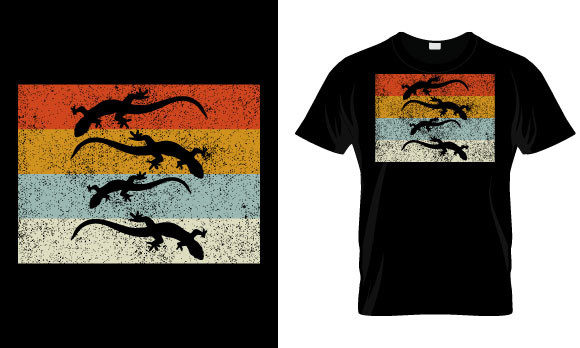
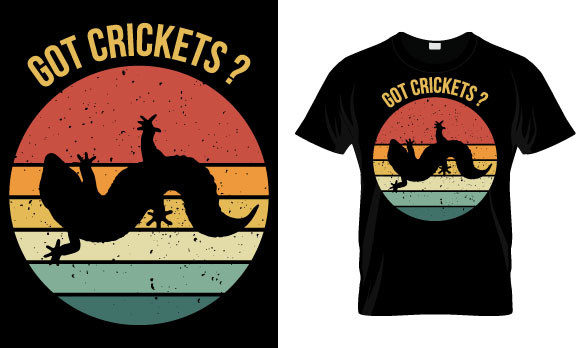
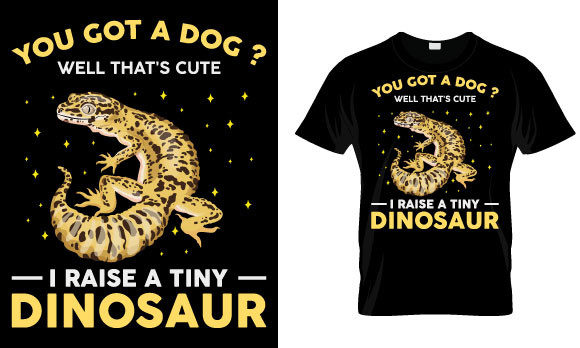
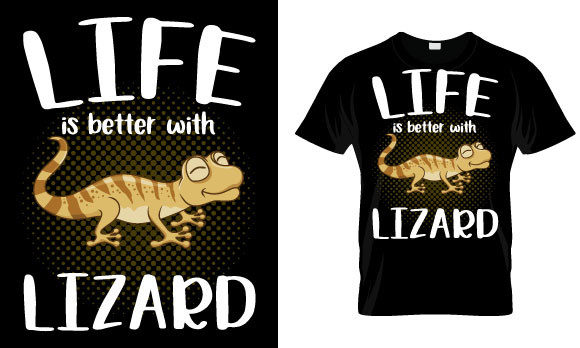
The Life is Better gecko design brings a playful yet sophisticated vibe to any garment or textile. The lizard’s posture is relaxed, almost lounging, which gives off a laid-back, fun energy. It's not overly cartoonish, so it bridges the gap between casual and trendy quite well. The line work is crisp, and the negative space is used effectively to keep the composition from feeling cluttered.
This design would naturally fit into a range of handmade products like custom sweatshirts, embroidered patches, or even nursery decor. Its simplicity makes it versatile enough to adapt to different color palettes and styles while still retaining its charm. As someone who often works with digital embroidery files, I found the layout easy to visualize when considering placement on various items — especially tote bags and baby clothes where a touch of personality can elevate the overall appeal.
Mood and Theme
The phrase "Life is Better" adds a motivational element that pairs well with the gecko imagery. It's a subtle reminder to enjoy life’s small joys, making it ideal for personalized gifts, boutique branding, or holiday-themed embroidery. The combination feels modern without being too edgy, which means it could attract a wide demographic, from teens to adults looking for something unique and expressive.
Real-Life Embroidery Performance
I tested the Gecko T Shirt Design, Life is Better on a few common project types to see how it holds up in practice. Here's what I observed:
- Tote Bags: The design stitches cleanly on cotton canvas, maintaining good shape and clarity. The text reads well at a glance, and the gecko’s details remain intact, even after multiple washes.
- Sweatshirts: On heavier fabrics like fleece, the stitch density needs careful adjustment. Too much pressure can distort the lines, especially around the lizard’s tail or the lettering. A bit of backstitch reinforcement helped preserve the integrity of the design.
- Baby Clothes: This one scored high. The soft colors (if used) and non-intrusive lines make it a great choice for onesies or bibs. Parents love designs that are cute but not too loud, and this fits the bill perfectly.
- Embroidered Patches: When applied as a patch to denim or felt, the design stands out beautifully. The use of satin stitch on the gecko’s body gives it a smooth, polished finish, while the fill stitch on the background remains manageable without overloading the fabric.
- Custom Apparel for Etsy Sellers: As a digital embroidery file, it's adaptable and ready for integration into printable mockups or design assets. The minimal detail level allows for quick stitching, which is important if you're producing several items per day for resale.
Stitch Clarity and Detail
One of the standout features of this design is how clearly the gecko’s features come through. The eyes and patterns on the lizard’s skin are defined enough to feel detailed but not so intricate that they become problematic for standard embroidery machines. However, if you're using a lower-end machine or one with limited precision, you might want to simplify the corners or reduce the number of thread colors to ensure consistency.
Where to Use with Caution
While the Life is Better gecko design is versatile, there are some scenarios where extra care is needed:
- Small Hoop Sizes: If you’re working on a tiny hoop, such as for a cap or button-up shirt collar, the design may need resizing or simplification. The text and finer details could lose their definition if scaled down too much.
- Textured Fabrics: On surfaces like flannel or linen, the texture can interfere with stitch visibility. Using a stabilizer underneath helps maintain clarity, but it's something to test early on.
- Thin or Stretchy Fabrics: Delicate materials like stretchy knits or thin muslin require careful tension settings. Otherwise, the fabric can pucker or tear during the denser parts of the design.
- Dark Backgrounds: The design uses a moderate amount of white space, but on dark fabric, the contrast might not pop as expected. Always preview in black and white or consider adjusting thread colors for better visibility.
- Layered Garments: For items like quilted jackets or layered aprons, the design may appear uneven due to differing fabric thicknesses. Stabilization becomes critical here to avoid distortion.
Customer Reactions and Marketability
In a recent trial run for a boutique apparel line, customers responded positively to the Gecko T Shirt Design, Life is Better. It struck the right balance between quirky and professional, which is key for handmade shop owners or Etsy sellers aiming to build brand recognition. The visual appeal was strong enough to stand out in listings but not so bold that it alienated more conservative buyers.
When applied to a custom sweatshirt or a printed pillow cover, the design added a sense of uniqueness and thoughtfulness. Customers appreciated the handcrafted feel and the clever use of negative space. For those in the craft business, this kind of feedback is invaluable — it speaks to the design’s giftability and ability to engage buyers emotionally.
Affect on Brand Consistency and Professionalism
If you're using this design for commercial embroidery projects or building a cohesive product line, it blends well with minimalist aesthetics. The font style and illustration have a consistent tone, which helps reinforce brand identity. That said, if your brand leans heavily into bold, graphic-heavy visuals, this design might feel a bit understated — but that could also be a strength depending on your target audience.
Designer Tips for Real Project Use
Before committing to a full production run or client project, here are a few practical notes based on my experience:
- Test on Scrap Fabric First: Especially if you're planning to use it on a new type of material or with a different embroidery machine setup.
- Check Thread Color Contrast: Consider how the colors will interact with your fabric choice. Dark threads on light fabric tend to work best unless the design specifically includes contrasting hues.
- Review Stitch Density: Adjust the density settings for fill areas to prevent puckering or stretching, particularly on stretchier or thinner materials.
- Confirm Hoop Size: Make sure your hoop size can accommodate the design without cutting off any elements or requiring awkward positioning.
- Inspect Small Details: Zoom in on the file to check for any stray stitches or inconsistencies that might affect the final outcome.
- Use Proper Stabilizer: Especially on woven or stretchy fabrics, a good stabilizer can make the difference between a clean finish and a distorted mess.
- Consider Black and White Mockups: This helps evaluate how the design will show up without color interference, useful for both personal and commercial embroidery.
- Compare Light and Dark Fabrics: See which versions highlight the design best and align with your intended use case.
- Always Check Licensing: If you plan to sell finished items or digital embroidery files, confirm the licensing terms first. This ensures you stay within legal bounds and protects your handmade product offerings.
Final Thoughts for Creative Entrepreneurs
The Gecko T Shirt Design, Life is Better is a solid addition to any embroidery project toolkit. Whether you're creating a personalized gift, launching a line of tote bag designs, or expanding your commercial embroidery portfolio, this design offers a nice blend of character and functionality. It’s not the flashiest design out there, but that's exactly why it works — subtlety often wins in the world of fashion and crafts.
What I appreciate most is how easily it integrates into different contexts. From sweatshirt embroidery to nursery decor, it adapts well while keeping its core identity. As a craft fair product or an Etsy listing, it can boost buyer engagement by offering something memorable and meaningful.
For hobbyists and small shop product creators, it's a reliable option that doesn’t demand advanced techniques. But for professionals or those aiming for mass production, take the time to adjust stitch settings and test thoroughly. The goal is always to deliver a finished product that looks as good in person as it does on screen.
In short, if you're looking for a machine embroidery design that brings warmth and wit to your creations, this one is worth considering. Just remember to tailor it to your specific materials and market — and always double-check the file specs before diving in.