Fishing T-Shirt Design Review for Real Projects
As an embroidery designer who’s spent years working with digital files and stitching them out on various products, I always approach a new design with a critical eye. The Fishing T-Shirt Design is no exception. At first glance, it looks like a classic outdoor-themed graphic—simple enough but not too generic. It has that nostalgic charm of fishing trips, lakes, and quiet mornings. But how does it hold up when moved from screen to fabric? Let's dig into the practicality of this design for real-world use.
First Impressions: Mood and Visual Personality
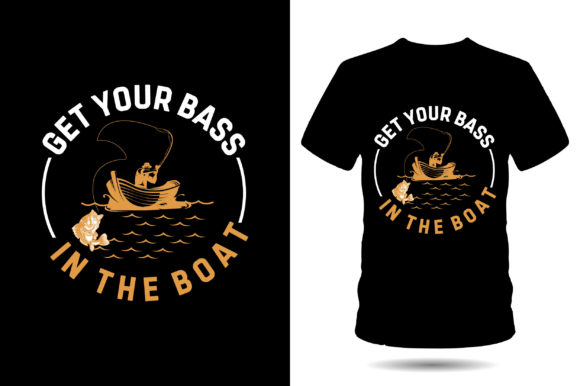
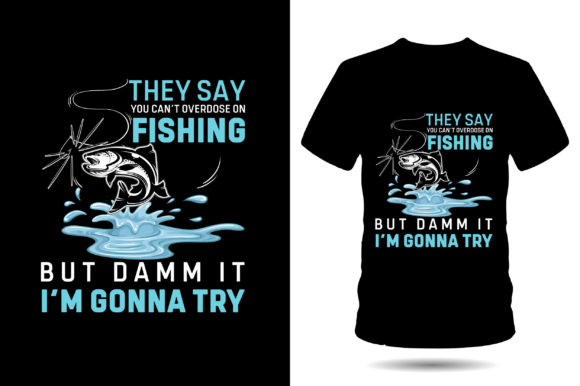
The Fishing T-Shirt Design immediately sets a laid-back, nature-loving tone. It features imagery that suggests a love for the outdoors—think fishing rods, fish silhouettes, or maybe even a simple boat motif. The layout is clean, with enough visual interest to stand out without overwhelming the viewer. It feels like something you'd see on a custom sweatshirt at a family reunion or as part of a small shop’s seasonal collection.
What caught my attention was the balance between detail and simplicity. The shapes are well-defined, which bodes well for stitch clarity. The theme is versatile enough to work across different demographics—whether you're targeting young anglers or older hobbyists, there's a certain universality in the concept. This makes it a strong candidate for personalized gifts or handmade products aimed at niche audiences.
Real-Life Embroidery Use Cases
I’ve stitched out similar designs before for clients ordering custom apparel, and I can already see where this one might shine. For example, if I were preparing a batch of embroidered tote bags for a local outdoor store, this design would fit right in. Its bold elements and recognizable symbols make it perfect for a quick hit of visual appeal without needing complex techniques.
- Custom Apparel: This design works especially well on t-shirts and sweatshirts. It adds personality without becoming too busy, which is key for wearable art.
- Baby Clothes: If simplified further, perhaps by reducing stitch density or using a more whimsical font, it could also be adapted for baby items. A cute “Little Fisherman” version would make a great personalized gift.
- Embroidered Patches: The clear outlines and minimal gradients mean this design could easily be transformed into a patch for caps, backpacks, or jackets.
- Tote Bag Design: With its central focus and moderate scale, it translates well onto larger surfaces like tote bags. Just ensure the hoop size allows for full coverage and avoid over-stitching delicate areas.
- Holiday Gifts: During summer or holiday seasons, this design could serve as a fun and thematic addition to aprons, pillow covers, or decorative towels—especially if paired with other nautical motifs.
- Commercial Embroidery: As a digital embroidery file, it’s suitable for commercial projects like boutique branding or small shop merchandise. Its adaptability helps maintain brand consistency across product lines.
Design Performance on Different Products
In practice, I’d recommend testing this machine embroidery design on several types of fabric and products to understand how it behaves under different conditions. Here’s what I expect based on the visual structure:
- T-Shirts: On cotton blends, the design should stitch cleanly with proper stabilizer. Look for thread color contrast, especially if the background is light.
- Sweatshirts: Thicker materials like fleece may require adjusting stitch density slightly to prevent puckering. Satin stitch elements will pop nicely against the soft texture.
- Caps and Hats: Curved surfaces pose a challenge. The Fishing T-Shirt Design has good shape integrity, but watch for distortion around detailed corners or text placement.
- Aprons: A medium-weight cotton apron would be a great canvas. The design’s boldness ensures visibility while maintaining a professional look.
- Pillow Covers: Decorative accents in this design could add just the right amount of flair. Test it on a sample piece before mass production to assess durability after multiple washes.
- Kitchen Towels: Lighter fabrics here need extra stabilizer support. Be cautious with fill stitch areas; they might become less defined due to fabric stretch.
- Nursery Decor: Simplified versions with pastel thread colors could make this design a sweet addition to a child’s room. Make sure to reduce stitch density for softer textures.
Where Caution Is Needed
While the Fishing T-Shirt Design is generally adaptable, there are some scenarios where it needs careful handling:
- Small Hoop Sizes: If you plan to use it on smaller items like patches or tiny hats, consider resizing it carefully. Tiny lettering or intricate details might get lost or distorted.
- Textured Fabrics: The design includes smooth curves and lines. These can be affected by the grain of the fabric, especially on flannel or denim. Always test before scaling up production.
- Thin or Stretchy Fabric: Delicate materials may struggle with dense stitch areas. You’ll want to adjust tension and possibly reduce stitch count to avoid stretching or tearing.
- Dark Fabric Backgrounds: Thread color visibility becomes crucial. While white or light-colored threads work well on dark bases, black or navy blue garments might benefit from metallic or variegated threads for better contrast.
- Layered Garments: Stiching through multiple layers can affect the final look. Use tear-away or cut-away stabilizers depending on the fabric type to keep the design crisp and flat.
- Products That Require Frequent Washing: Dense satin stitches might pill or fade faster than running stitches. Choose durable thread brands and consider reinforcing high-traffic areas.
Visual Appeal and Stitching Clarity
One thing I appreciate about this design is its clarity. Even without knowing the exact stitch count or machine compatibility, the vector-based layout gives me confidence that it will translate well to an embroidery file. The use of consistent line weights and limited shading means it won’t require overly complex stitch settings. That said, don’t assume everything will work perfectly out of the box. Every machine embroidery design needs tweaking for optimal results.
If you’re using this as part of a handmade product or craft fair item, the finished look will depend heavily on your choice of thread colors and fabric. Darker thread colors on lighter backgrounds give it a vintage feel, while brighter hues can make it pop for a more modern aesthetic. I’d suggest experimenting with a few variations to see which best suits your target audience and project style.
Customer Trust and Brand Recognition
From a business perspective, the Fishing T-Shirt Design is a solid choice for Etsy sellers or small shop owners looking to expand their product offerings. Customers trust well-executed embroidery because it speaks to quality and craftsmanship. When done right, this design can help establish a brand identity around outdoor themes, whether for a fishing gear company or a coastal lifestyle blog.
Its simplicity also aids in recognition. People remember designs that aren’t cluttered. If you're aiming to create a signature look for your handmade product line, this one checks all the boxes for memorability and versatility.
Designer Notes for Optimal Results
Before moving forward with any embroidery project, I always follow these steps:
- Test on Scrap Fabric: Get a sense of how the design reacts to your machine and materials. Adjust stitch density or thread tension if needed.
- Check Thread Color Contrast: Especially important for tote bags or sweatshirts. Ensure the colors you choose align with the intended message and mood of the design.
- Review Stitch Density: Too tight and it risks damaging the fabric; too loose and it loses definition. Balance is key, particularly for fill stitch sections.
- Confirm Hoop Size: Without specific recommendations from the seller, measure the design and compare it to your available hoops. Don’t rush—poor hooping leads to poor stitching.
- Inspect Small Details: If the design includes tiny lettering or subtle elements, zoom in and verify that they remain legible and intact after stitching.
- Use Proper Stabilizer: Depending on fabric weight and texture, choose between tear-away, cut-away, or wash-away stabilizers to keep your design flat and secure.
- Test Black and White Mockups: See how the design holds up without color influence. This helps identify potential issues with contrast or clarity.
- Compare Light and Dark Backgrounds: Not all thread colors work equally well on every fabric shade. Do a side-by-side test to pick the most visually appealing combination.
- Verify Commercial Use Rights: Since this is a digital embroidery file, double-check the licensing terms before selling the finished product or including it in design assets for others.
Final Thoughts for Craft Business Owners and Makers
Overall, the Fishing T-Shirt Design is a well-thought-out graphics file that offers flexibility and charm. Whether you're an Etsy seller crafting personalized gifts or a small shop owner building a themed collection, this design has the potential to elevate your finished product. It’s not just about making something look good—it’s about ensuring it functions well on the chosen material and stands up to real-life wear and tear.
That being said, treat it like any other machine embroidery design. Take time to evaluate, test, and tweak. Your customers will notice the difference. And remember, the best embroidery project isn't the one that stitches fastest—it's the one that looks and feels exactly right for the purpose it was made for.