About Your Only Limit is You Quote T
As an embroidery designer with years of hands-on experience, I always approach a new design with a critical eye. Typography-based machine embroidery designs can be tricky—they need to feel bold and readable while maintaining stitch clarity and visual appeal. The About Your Only Limit is You Quote T caught my attention for its motivational message and clean layout. Let me walk you through what it’s like to evaluate this design for real-world use.
First Impressions and Design Personality
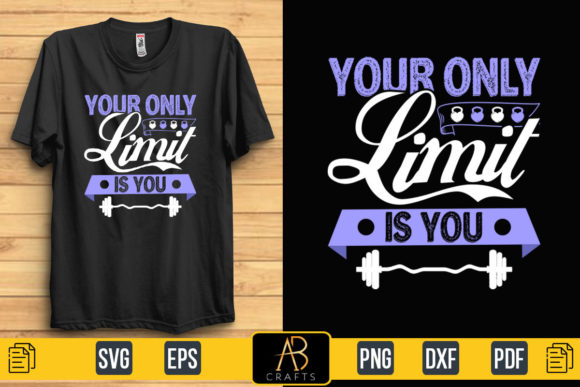
The moment I opened the digital embroidery file for About Your Only Limit is You Quote T, I could sense its purpose. This is not just another quote—it’s a typography-driven statement that exudes positivity and determination. The layout is well-balanced, with a clear hierarchy in the lettering that makes the phrase stand out without feeling cluttered. It's designed to be stitched on a variety of surfaces, from t-shirts to tote bags, and as a graphics-based print template, it adapts well to different product formats.
Visually, the design leans into modern minimalism. There are no over-the-top flourishes or complex elements that might complicate the stitching process. Instead, the focus is on the message itself, which gives it broad appeal. For small shop products and handmade items, this kind of simplicity often works best—it speaks to a wide audience and feels personal yet professional.
Real-World Application: A Tote Bag Project
Let’s imagine using this design for a custom embroidered tote bag. As someone who frequently creates promotional and personalized gifts, I’d consider how it translates from screen to fabric. The font style used here is crisp and confident, making it suitable for both casual and boutique-style branding. If stitched correctly, the final product would look clean and elegant—perfect for carrying groceries, books, or as a holiday gift.
When working with tote bags, especially those made from canvas or cotton twill, stitch density becomes important. This design uses a combination of satin stitch and fill stitch techniques, which should hold up well against wear and tear. However, if you're planning to embroider on thin or stretchy fabric, you’ll want to adjust stabilizer settings and test the design carefully.
Where It Shines
- Custom Apparel: The design reads well on t-shirts, sweatshirts, and even long-sleeve shirts when placed centrally.
- Handmade Products: It looks great on aprons, pillow covers, and kitchen towels—especially when paired with other decorative accents.
- Etsy Listings: The positive message aligns well with the creative and entrepreneurial spirit of many Etsy sellers. It adds value and emotional appeal to your listings.
- Boutique Branding: The modern aesthetic fits perfectly into lifestyle brands focused on empowerment and self-expression.
Use With Caution
- Small Hoop Sizes: While the main text is large enough for most standard hoops, any smaller details may require scaling back or omitting.
- Textured Fabrics: Canvas or denim may cause some distortion in fine lines. Consider using a tighter stitch setting or adjusting tension.
- Stretchy Materials: On garments like leggings or athletic wear, hoop pressure and stabilizer choice become crucial to prevent puckering.
- Dark Fabric Backgrounds: Thread color contrast matters. Light thread on dark fabric may not pop as intended, so experimenting with thread colors is essential.
- Curved Surfaces: Embroidering on caps or curved parts of garments (like sleeves) could affect the alignment of letters. Always do a test run before mass production.
Design Value and Customer Reaction
What I appreciate about About Your Only Limit is You Quote T is how it subtly influences the perception of the finished product. When customers receive a tote bag or baby item with this message, they don’t just see a design—they feel inspired. That emotional connection increases the perceived value and giftability of the item.
In terms of customer trust, using a professionally crafted embroidery file signals quality. Even hobbyists benefit from this because it shows they’re using something that was designed with care and attention to detail. For commercial embroidery projects, this level of craftsmanship helps maintain brand consistency across all products.
Stitch Clarity and Presentation
I’ve noticed that the spacing between letters and words is generous, which is a big plus for readability. Dense stitch areas are minimal, so there’s less risk of fabric distortion. That said, if you're planning to use multiple thread colors, inspect each section closely to ensure that the transitions are smooth and won’t create unwanted gaps or overlaps after stitching.
Also, take note of the corners and edges. Because the design is typography-focused, every angle needs to be sharp and consistent. A small misalignment during stitching could make the whole message feel unprofessional. This is why I always recommend running a black-and-white mockup before cutting fabric. It helps visualize how the design will appear once it's stitched and washed.
Practical Notes for Embroidery Designers and Crafters
Here are a few things I’ve learned while evaluating this design for real-life use:
- Test on Scrap Fabric First: Before committing to a client order or craft fair product, stitch a sample on similar material to see how it behaves.
- Check Thread Color Contrast: Especially for personalized gifts and handmade products, ensure the chosen thread stands out clearly against the fabric.
- Review Stitch Density: If you're using this for items that get frequent washing, like baby clothes or tea towels, avoid overly dense stitch patterns to preserve flexibility and reduce pilling.
- Confirm Hoop Size: Make sure the design fits within your available hoop sizes. If necessary, scale it down or break it into sections.
- Inspect Small Details: Look for tiny embellishments or intricate parts that may not translate well to certain fabrics or machines.
- Use Proper Stabilizer: Depending on the fabric texture, choose the right type and weight of stabilizer to keep stitches flat and neat.
- Confirm Licensing: Since this is a digital embroidery file under the Graphics category, always verify whether it allows commercial use before selling finished products or digital assets.
Commercial Use Considerations
If you're an Etsy seller or part of a small business looking to expand your product line, this design has potential—but it requires thoughtful placement and pairing. Think of it as a versatile design asset that can work in both Print Templates and actual embroidered patches or sweatshirt embroidery. Just remember to treat it as a standalone element; adding too many decorative elements around it can dilute its impact.
Final Thoughts
About Your Only Limit is You Quote T is more than just a graphic—it’s a mindset. In the world of embroidery, where technical execution meets creative vision, this design hits a nice balance. It’s adaptable, expressive, and visually appealing when stitched properly. Whether you're creating a personalized gift or designing for a craft business, this typography design brings a touch of motivation and elegance to your work.
However, like any good design, it demands respect for the medium. Pay attention to the practical aspects of embroidery—fabric, stabilizer, thread color, and machine compatibility—to ensure the final product reflects the quality you expect. And always remember to double-check licensing terms if you plan to sell the print templates or include them in your digital product previews.
With these considerations in mind, About Your Only Limit is You Quote T can become a valuable addition to your embroidery project portfolio. It’s the kind of design that, when done right, turns a simple garment into a meaningful piece people want to wear and give as gifts.